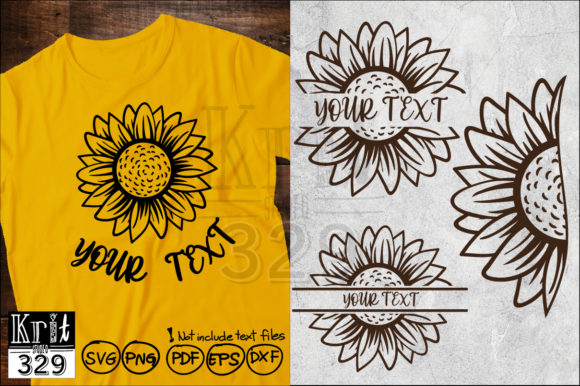
Sunflower Clip Art Graphics for Crafts and Content
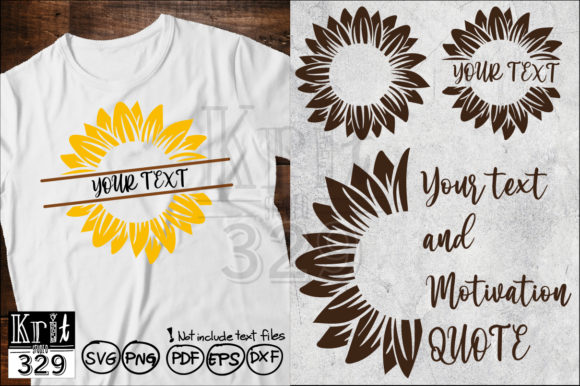
When I sit down to design a new editorial layout or prepare a lead magnet for my newsletter, the first thing I look for is visual cohesion. A graphic design asset isn’t just decoration; it is a functional tool that guides the reader’s eye and establishes trust before they even read the first sentence. Recently, I evaluated a specific set of Sunflower Clip Art files intended for DIY and craft projects. While the product description markets these as "Funny Cool DIY Handcraft Making Party decor" that will make your craft more fun, my review focuses on how this asset performs in a serious content publishing workflow. For bloggers, digital publishers, and affiliate marketers, understanding the editorial value of such assets is crucial for maintaining a polished brand identity.
The Editorial Mood of Playful Design
At first glance, this sunflower design leans heavily into a lifestyle-focused, playful aesthetic. It feels artistic yet accessible, avoiding the sterile perfection of corporate stock photography. For a website owner or creative entrepreneur, this mood is incredibly valuable. It suggests warmth, approachability, and creativity. When you use this type of modern design in your content marketing efforts, you signal to your audience that your brand is human-centric. Whether you are writing about home decor, parenting hacks, or small business branding, this graphic supports a narrative that is both professional and inviting. It bridges the gap between high-end editorial design and the relatable world of user-generated content, which is essential for building reader trust in niche communities.
Integrating Sunflower Clip Art into Real Publishing Workflows
In my experience, versatility is the hallmark of a high-quality digital download. This asset, provided in SVG format, offers the scalability needed for various web design applications. Here is how I have seen similar graphics elevate real-world publishing projects:
- Blog Featured Images: Use the sunflower as an accent element behind bold headline text. The organic shape softens the typography, making the article title more clickable without distracting from the message.
- Pinterest Pins: Pinterest is a visual search engine. A clean, bright sunflower graphic can serve as a background texture or a border element for your pins, increasing visibility in feeds dominated by flat-lay photography.
- Digital Guides and eBooks: For downloadable resources, worksheets, or printables, this clip art adds a touch of personality to headers and section dividers. It transforms a plain PDF into a branded experience that users feel proud to share.
- Newsletter Graphics: Email clients often struggle with complex images. An SVG-based vector allows for crisp rendering across devices. Use it as a subtle watermark or a button icon to break up text-heavy emails and improve engagement rates.
- Social Media Templates: If you create Canva templates for your audience, including this sunflower asset provides them with a cohesive starting point. It reinforces your brand identity while giving followers the tools to create their own content.
Impact on Content Performance and Visual Hierarchy
Good editorial design is not just about looking pretty; it is about guiding the user journey. By incorporating this sunflower graphic strategically, you can enhance several key performance metrics:
- Stronger First Impression: A consistent visual style creates immediate recognition. When visitors land on your site, familiar design elements reduce cognitive load, allowing them to focus on your content.
- Clearer Visual Hierarchy: Use the graphic to draw attention to calls-to-action (CTAs). Placing the sunflower near a "Download Now" button can subconsciously guide the eye toward conversion points.
- Better Click-Through Potential: In crowded social media feeds, unique illustrations stand out more than generic photos. This creative design helps your posts capture attention in seconds.
- Improved Reader Trust: Polished visuals signal professionalism. Even if your content is informal, high-quality design assets suggest that you care about the quality of your work, which translates to perceived authority.
- Category Recognition: Assign specific graphics to different content categories. Using this sunflower consistently for "Crafts" or "DIY" posts helps readers navigate your site intuitively.
Strategic Placement: Where It Works Best
To maximize the impact of this asset, consider where it fits within your visual system. It excels in hero images where space allows for breathing room. It works beautifully as an editorial accent in sidebars or footer sections. For content upgrades, such as free checklists or planners, it adds a premium feel to the printable design. Additionally, it is ideal for category visuals on your homepage, helping to organize your archive visually. However, avoid using it in areas where minimalism is key, such as technical documentation or legal pages.
Areas Requiring Careful Consideration
No single asset fits every context. There are scenarios where this sunflower graphic might detract from your message. Be cautious when using it in small mobile thumbnails, where intricate details may become blurry or indistinguishable. Avoid placing it on low-contrast backgrounds or busy layouts, as this compromises readability. Furthermore, if your website serves a serious professional niche, such as corporate finance or healthcare, the playful nature of this design might clash with the tone of your content. In these cases, opt for more neutral design assets to maintain credibility.
Practical Publisher Notes for Implementation
Before integrating this graphic design asset into your monetized websites or affiliate pages, follow these best practices to ensure optimal performance and compliance:
- Test Across Devices: Preview the asset on desktop, tablet, and mobile screens. Ensure it scales correctly without losing clarity.
- Check Contrast and Readability: Place the sunflower beside serif, sans-serif, script, handwritten, and display font styles. Verify that text remains legible over or next to the image.
- Review File Size: Optimize your SVG and PNG files for web performance. Large images can slow down page load times, negatively affecting SEO and user experience.
- Compress Images Properly: Use compression tools to reduce file size without sacrificing quality, especially for JPEG exports used in blog posts.
- Confirm Commercial Licensing: Always review the commercial license terms. Ensure you have the right to use the asset on affiliate marketing pages, paid content products, and public-facing websites.
- Preview in Real Layouts: Do not judge the asset in isolation. Insert it into a live blog post or email template to see how it interacts with your existing brand identity.
Ultimately, Sunflower Clip Art is more than just a decorative element; it is a strategic component of your visual communication strategy. By thoughtfully integrating this graphic into your editorial design process, you can create a more engaging, trustworthy, and professional online presence. Whether you are designing a simple blog post or a comprehensive digital guide, the right design assets make all the difference in capturing and retaining your audience’s attention.