Sunflower Embroidery Design Review
As a designer who spends more time than I care to admit staring at stitch density charts and fabric swatches, I approach every new machine embroidery design with a healthy dose of skepticism. The market is flooded with generic clip art that looks fine on a screen but falls apart under the needle. That is why I took a close look at the Sunflower graphic, categorized under Crafts and Graphics, to see if it actually holds up in a real-world production environment. This isn't just about whether the image is pretty; it is about whether it translates into a sellable, durable, and visually striking embroidery project.
First Impressions: Mood and Visual Personality
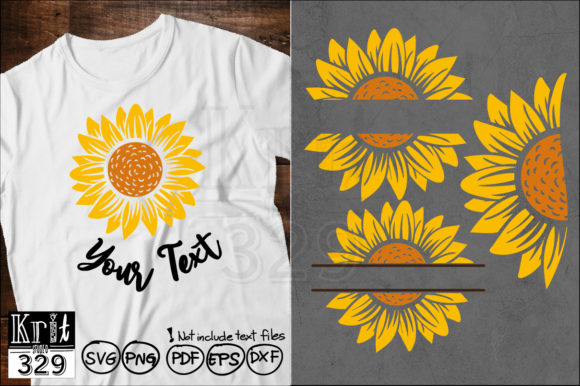
The immediate appeal of this Sunflower design lies in its ability to evoke warmth without feeling cliché. In the world of handmade products, sunflowers often drift into overly rustic or farmhouse territory, but this specific iteration feels slightly more modern and playful. It carries a "fun" energy that aligns perfectly with the description provided: Funny Cool DIY Handcraft Making Party decor. For an Etsy seller or a small shop product owner, that distinction matters. You are not just selling a flower; you are selling a mood.
Visually, the layout suggests a balance between detail and simplicity. When evaluating any embroidery file, I look for negative space. Too much clutter creates a muddy mess when stitched, especially on curved surfaces. This design seems to have enough breathing room to allow individual petals or structural elements to pop, which is crucial for maintaining clarity in a finished product. It feels like a design meant to be the focal point, rather than a subtle background texture.
Real-World Application: From Screen to Stitch
I recently considered using this Sunflower motif for a batch of custom embroidered tote bags intended as boutique gift sets. Tote bags are a staple for handmade product creators, but they present unique challenges. The fabric is often thin canvas or cotton blend, which can pucker if the stitch density is too high. If this design relies heavily on dense fill stitches, it might distort the bag's shape. However, if it utilizes a mix of satin stitches for outlines and lighter fill areas, it could work beautifully.
Beyond tote bags, this design has strong potential for sweatshirt embroidery and custom apparel. Think of a cropped hoodie with a single, vibrant sunflower centered on the chest or placed asymmetrically on the back. The "cool" factor mentioned in the product title suggests it would resonate with a younger demographic looking for personalized gifts. It also translates well to baby embroidery items, such as muslin blankets or onesies, where soft, cheerful imagery is preferred over complex, dark patterns.
For the craft business owner, versatility is key. This Sunflower design could easily be adapted for holiday embroidery projects, perhaps paired with autumn-themed colors for Thanksgiving gifts, or used year-round for spring collections. Its adaptability makes it a valuable asset in your library of design assets.
Where to Exercise Caution
No design is perfect for every surface, and knowing where not to use a pattern is just as important as knowing where to use it. With the Sunflower graphic, there are specific scenarios where caution is advised.
- Small Hoop Sizes: If the design contains intricate details or small text (if added), testing it in a 4x4 hoop is essential. Tiny elements can disappear or merge together during stitching, ruining the aesthetic.
- Textured and Stretchy Fabrics: While sunflowers look great on stable cotton, applying them to highly textured fabrics like heavy wool or stretchy spandex blends requires careful stabilization. Without proper support, the stitch density may cause the fabric to pucker significantly.
- Dense Stitch Areas: If the design uses heavy fill stitches for the center of the flower, it may become stiff and uncomfortable, particularly on custom apparel like t-shirts or baby clothes. Comfort is a major driver of customer satisfaction.
- Curved Surfaces: Applying this to caps or hats requires precision. If the design is too wide or rigid, it will not follow the curve of the hat naturally, leading to gaps or tension issues.
Additionally, consider the end-use of the product. Items that require frequent washing, such as kitchen towels or aprons, need designs that can withstand friction. Loose threads or overly detailed edges may fray over time, affecting the longevity of the finished product.
Impact on Brand and Customer Trust
In the digital age, how a product looks in a mockup directly influences buyer engagement. A well-executed embroidery project signals professionalism and attention to detail. When customers see a crisp, clear Sunflower design on a high-quality printable mockup, it builds trust. They imagine receiving a premium item, not a mass-produced knockoff.
This design supports brand consistency. Whether you are selling personalized gifts or commercial embroidery services, having a cohesive visual language helps. The bright, cheerful nature of the sunflower can unify a brand’s color palette, especially when paired with complementary thread colors. It invites interaction, making it an excellent choice for social media marketing where visual appeal drives clicks.
Practical Designer Notes for Implementation
Before integrating this digital embroidery file into your production workflow, follow these practical steps to ensure success:
- Test on Scrap Fabric: Never go straight to the final product. Stitch the design on a scrap piece of the same fabric you plan to use. This reveals how the material reacts to the needle and thread.
- Check Thread Color Contrast: Sunflowers typically feature yellow and green, but ensure these colors stand out against your chosen fabric. On light fabrics, you may need darker threads for definition; on dark fabrics, bright yellows will pop but may require a backing stabilizer to prevent show-through.
- Review Stitch Density: Zoom in on the design software. Are there areas where stitches overlap excessively? High density can lead to needle breakage and poor finish quality.
- Inspect Small Details: Look closely at the corners and fine lines. Will they stitch cleanly, or do they risk tangling?
- Use Proper Stabilizer: The right stabilizer is non-negotiable. For lightweight fabrics, a cut-away stabilizer provides necessary support. For heavier items like denim jackets, a tear-away might suffice, but test first.
- Confirm Licensing: Since this product includes SVG files, clarify the license terms. Ensure you have the right to sell finished physical goods made from this design, especially if you are operating a craft business.
Ultimately, the Sunflower design offers a versatile, cheerful option for designers looking to add a touch of whimsy to their portfolio. By paying attention to fabric choice, stabilization, and stitch quality, you can transform this simple graphic into a standout handmade product that customers will love. Remember, the best embroidery doesn't just look good on a screen; it feels good to wear and lasts through many washes. Test thoroughly, choose your materials wisely, and let the design shine.