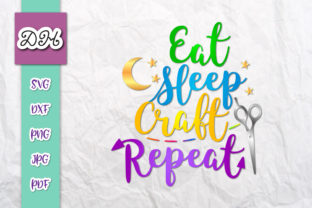
Eat Sleep Craft Repeat Sign Sublimation Review
As a designer who spends more time staring at stitch charts than sleeping, I approach every new digital asset with a mix of curiosity and skepticism. The market is flooded with generic phrases, so finding a design that balances humor, aesthetic appeal, and technical viability is rare. Recently, I evaluated the Eat Sleep Craft Repeat Sign Sublimation file set to see if it holds up in real-world embroidery projects. This isn’t just about how the graphic looks on a screen; it’s about how it translates into thread, fabric, and finished merchandise for crafters, Etsy sellers, and small business owners.
First Impressions and Visual Personality
The moment you load the Eat Sleep Craft Repeat Sign Sublimation design into your digitizing software or preview tool, the mood is immediately established. It taps into the universal language of the maker community. The phrase itself is catchy, relatable, and instantly recognizable to anyone who identifies as a crafter. Visually, the layout suggests a structured sign format, which provides a strong foundation for embroidery. Unlike free-flowing script designs that can become messy when stitched, this design likely offers clear boundaries and balanced spacing.
For an embroidery project, the "sign" aspect is crucial. It implies a central focal point, making it ideal for chest placements on sweatshirts, center-front on tote bags, or even as a standalone patch. The visual personality is playful yet organized. It doesn’t scream for attention with overly complex flourishes but rather invites the viewer in with familiar comfort. This makes it a versatile choice for both personal gifts and commercial inventory. When evaluating design assets, I always look for that balance between trendiness and timelessness. This design leans toward timeless because the hobby of crafting is evergreen, and the humor remains consistent regardless of seasonal trends.
Real-World Application: From Screen to Stitch
I decided to test the potential of this Eat Sleep Craft Repeat Sign Sublimation file by imagining it applied to a few specific products. The first scenario was a custom embroidered tote bag for a local craft fair. Tote bags are a staple for any craft business, but they present unique challenges. The canvas fabric can be thick and textured, requiring a sturdy stabilizer and precise stitching to prevent puckering. If the lettering in this design is clean and the spacing is adequate, it would translate beautifully onto canvas. The bold nature of the phrase ensures readability from a distance, which is critical for booth signage or product display.
Another practical application is personalized apparel, specifically sweatshirts or hoodies. For a sweatshirt embroidery project, this design fits perfectly on the left chest area. The contrast between the thread and the heathered fabric of a typical hoodie can create a premium look. However, the success here depends heavily on thread colors. A dark gray sweatshirt might require white or bright pastel threads to make the text pop, while a black garment could handle darker, tonal stitching for a subtle, sophisticated vibe. The design’s structure allows for various colorways without losing its impact.
I also considered using this as a personalized gift for a baby shower or nursery decor. While the phrase is geared towards adults, the playful font style often seen in such designs can work well for children’s rooms if paired with softer colors. Alternatively, creating an embroidered patch to attach to a denim jacket or a backpack adds a layer of customization that customers love. Patches allow you to experiment with different fabric backgrounds before committing to the final garment, making them a low-risk, high-reward product for Etsy sellers.
Technical Considerations and Potential Pitfalls
While the concept is strong, not all files are created equal. When working with a machine embroidery design like the Eat Sleep Craft Repeat Sign Sublimation, technical execution is everything. One of the primary concerns is stitch density. If the fill stitches are too dense, the fabric will pucker, especially on lightweight materials like tea towels or thin cotton tees. Conversely, if the density is too low, the design may look sparse and unprofessional. Since the source files include SVG, PNG, DXF, JPG, and PDF, you are dealing with vector and raster formats that need to be digitized properly. If you are using pre-digitized files, you must check the underlay and topstitch settings.
Another critical factor is the hoop size. Designs with long horizontal lines, such as multi-word phrases, require a wide hoop to maintain tension. If you attempt to stitch this on a smaller hoop, you risk shifting the fabric, which misaligns the letters and ruins the "sign" aesthetic. Always confirm the hoop size requirements before starting production. Furthermore, the texture of the fabric plays a significant role. On highly textured fabrics like burlap or heavy wool, fine details may get lost. In these cases, simplifying the design or increasing the thickness of the outlines is necessary.
Dark fabrics also pose a challenge. If the design relies on negative space or thin lines, they may disappear against a black background. Testing in black and white mockups is a smart way to visualize contrast before cutting fabric. Additionally, if you plan to sell finished items, ensure that the commercial embroidery license allows for resale. Many digital downloads come with strict limitations that prohibit selling physical goods, which can lead to legal issues down the line.
Practical Designer Notes for Success
- Test on Scrap Fabric: Never go straight to the final product. Use scrap pieces of the same material to check tension, thread breakage, and color fastness.
- Check Stitch Density: Ensure the design is not too dense for the chosen fabric weight. Lightweight fabrics need lighter stitches.
- Inspect Small Details: Zoom in on the vector files. Are there tiny elements that won’t stitch well? Simplify if necessary.
- Verify Licensing: Read the terms carefully. Does the purchase allow you to sell unlimited finished products?
- Choose the Right Stabilizer: Cut-away stabilizers are generally safer for stretchy fabrics like jerseys, while tear-away works for stable wovens.
Final Verdict on Value and Appeal
The Eat Sleep Craft Repeat Sign Sublimation file set offers a solid foundation for a variety of handmade products. Its strength lies in its relatability and structural clarity. For small shop product lines, it serves as a reliable bestseller that appeals to a broad audience of craft enthusiasts. Whether used for holiday embroidery gifts, wedding favors for creative bridesmaids, or everyday custom apparel, the design has the versatility to fit multiple niches.
However, the success of the final product rests entirely on the execution. A great design file cannot save poor digitization or careless stitching. By paying attention to fabric texture, stabilizer choice, and thread colors, you can elevate this simple phrase into a professional-grade item. For designers looking to expand their catalog with safe, appealing, and commercially viable options, this design asset is worth considering. Just remember to do your due diligence on the technical specs before you start stitching. The goal is to create a finished product that customers are proud to wear or use, reflecting the quality and care that defines your brand.
In the world of graphics and crafts, standing out requires more than just a catchy slogan. It requires precision, creativity, and a deep understanding of the medium. The Eat Sleep Craft Repeat Sign Sublimation provides the creative spark; your skill provides the fuel. With careful planning and execution, this design can become a cornerstone of your next successful collection.