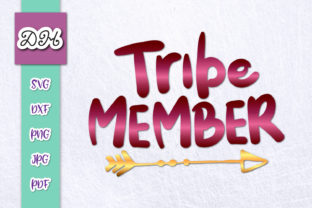
Tribe Member Family Sign Sublimation Review
As a designer who spends half the day troubleshooting stitch errors and the other half worrying about whether a client’s vision is actually viable, I approach every new embroidery file with a healthy dose of skepticism. The market is flooded with digital assets that look great on a screen but fall apart under the needle. That is why when I encountered the Tribe Member Family Sign Sublimation, I didn’t just glance at the preview image; I mentally mapped it out against my most common production challenges. This review breaks down how this design asset holds up in real-world applications, specifically for those of us turning digital graphics into tangible handmade products.
First Impressions: Mood and Layout
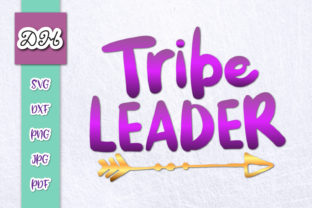
The immediate appeal of the Tribe Member Family Sign Sublimation lies in its thematic clarity. It taps into the popular "tribe" concept, which resonates deeply with modern families looking for a sense of belonging and identity. From a design perspective, the layout feels balanced and legible, which is crucial for text-heavy designs. The typography appears sturdy, suggesting that it will translate well into machine embroidery without becoming muddy or difficult to read.
For an Etsy seller or small business owner, visual personality is everything. This design doesn’t scream for attention with overly complex flourishes; instead, it offers a clean, recognizable silhouette that works as both a statement piece and a subtle accent. It feels like a design that belongs in a curated boutique shop rather than a mass-produced discount bin. The mood is warm, inclusive, and slightly playful, making it versatile enough for various demographics, from young parents to grandparents celebrating their growing family tree.
Real-World Application: Where Does It Shine?
In my experience, the success of an embroidery project often depends on matching the design to the right substrate. The Tribe Member Family Sign Sublimation is particularly effective on structured items where the fabric provides a stable canvas. Here is how I see this machine embroidery design performing in specific scenarios:
- Custom Apparel and Sweatshirts: This is perhaps the strongest use case. When applied to a high-quality cotton sweatshirt or a heavyweight t-shirt, the design conveys comfort and style. The text elements likely hold up well against the slight texture of fleece or jersey knit, provided the correct stabilizer is used. It transforms a basic garment into a personalized gift that feels intentional and thoughtful.
- Tote Bag Design: Canvas tote bags are a staple for craft fairs and boutique sales. This design fits perfectly on the front panel of a tote. The bold nature of the "Tribe" theme pairs well with the utilitarian vibe of a bag, creating a finished product that customers are proud to carry. It serves as excellent branding for a maker’s shop while also appealing to the end-user’s desire for family-centric accessories.
- Baby Embroidery and Nursery Decor: There is a strong market for personalized baby items. Using this design on a burp cloth, a muslin blanket, or a nursery pillow cover adds a sentimental touch. The softness associated with baby products complements the wholesome message of the design. However, care must be taken to ensure the thread colors chosen are gentle and appropriate for infant wear.
- Kitchen Towels and Aprons: For the home decor segment, this design works beautifully on tea towels or kitchen aprons. It adds a touch of humor and warmth to the kitchen space. As a holiday embroidery item, such as a Christmas or Thanksgiving gift, it has high recognition value. Families love displaying their identity in their homes, and this design facilitates that expression.
Critical Considerations: Where to Be Careful
No design is universally perfect, and understanding the limitations is what separates a professional from a hobbyist. While the Tribe Member Family Sign Sublimation is robust, there are specific situations where it requires caution.
First, consider the hoop size. If you attempt to digitize or embroider this design on a very small hoop, such as one used for delicate jewelry boxes or tiny patches, the lettering may become cramped. Tiny lettering is notoriously difficult to stitch clearly; if the font weight is too light, the stitches might merge, creating a blob rather than readable text. Always test the design at your intended scale before committing to production.
Fabric choice is equally critical. Textured fabrics, such as heavy waffle weaves or thick terry cloth, can distort fine details. Similarly, stretchy fabrics like spandex blends require a strong tear-away or cut-away stabilizer to prevent the design from puckering. If you are working with dark fabric, the contrast of your thread colors becomes paramount. A light-colored design on a black background needs high-density stitching to ensure opacity and clarity.
Additionally, avoid placing this design on curved surfaces like baseball caps unless you have specialized cap frames and experience. The flat, sign-like nature of the graphic might not follow the curve of a hat naturally, leading to distortion at the edges. For best results, stick to flat or gently curved surfaces like the chest of a shirt or the flat side of a tote bag.
Practical Designer Notes for Execution
To get the most out of this digital embroidery file, I recommend following a strict testing protocol. Before running a full production batch, always stitch a sample on scrap fabric that matches the final product in weight and texture. This allows you to check for any potential issues with stitch density or thread tension.
Pay close attention to the different stitch types within the design. If the design utilizes a mix of satin stitch for outlines and fill stitch for backgrounds, ensure that the transition areas are smooth. Rough transitions can snag easily and ruin the tactile quality of the handmade product. If the design includes running stitch accents, verify that they are spaced correctly to maintain legibility.
Thread color selection can make or break the aesthetic. I suggest testing the design in black and white mockups first to evaluate the balance of negative and positive space. Once you are satisfied with the composition, choose thread colors that complement the base fabric. For a classic look, monochromatic threads work well, while contrasting colors can make the design pop. Remember to inspect small details closely; sometimes, what looks good on a monitor can lose definition in thread form.
Finally, do not overlook the importance of licensing. Since this product is categorized under Graphics and Crafts, it is essential to confirm whether the purchase includes commercial rights for selling finished items. Many sellers assume all files allow for resale, but this is not always the case. Clear licensing protects your craft business and ensures you can confidently list the item on platforms like Etsy or Amazon Handmade without fear of infringement.
Final Verdict
The Tribe Member Family Sign Sublimation is a solid addition to any designer’s library. It offers a clear, emotionally resonant theme that translates well into various custom apparel and home decor items. By paying attention to fabric choice, stabilization, and thread contrast, you can create a professional-grade embroidered patch or garment that stands out in a crowded marketplace. It is a practical, versatile design that supports both personal gifting and commercial ventures, provided you respect the technical nuances of machine embroidery.